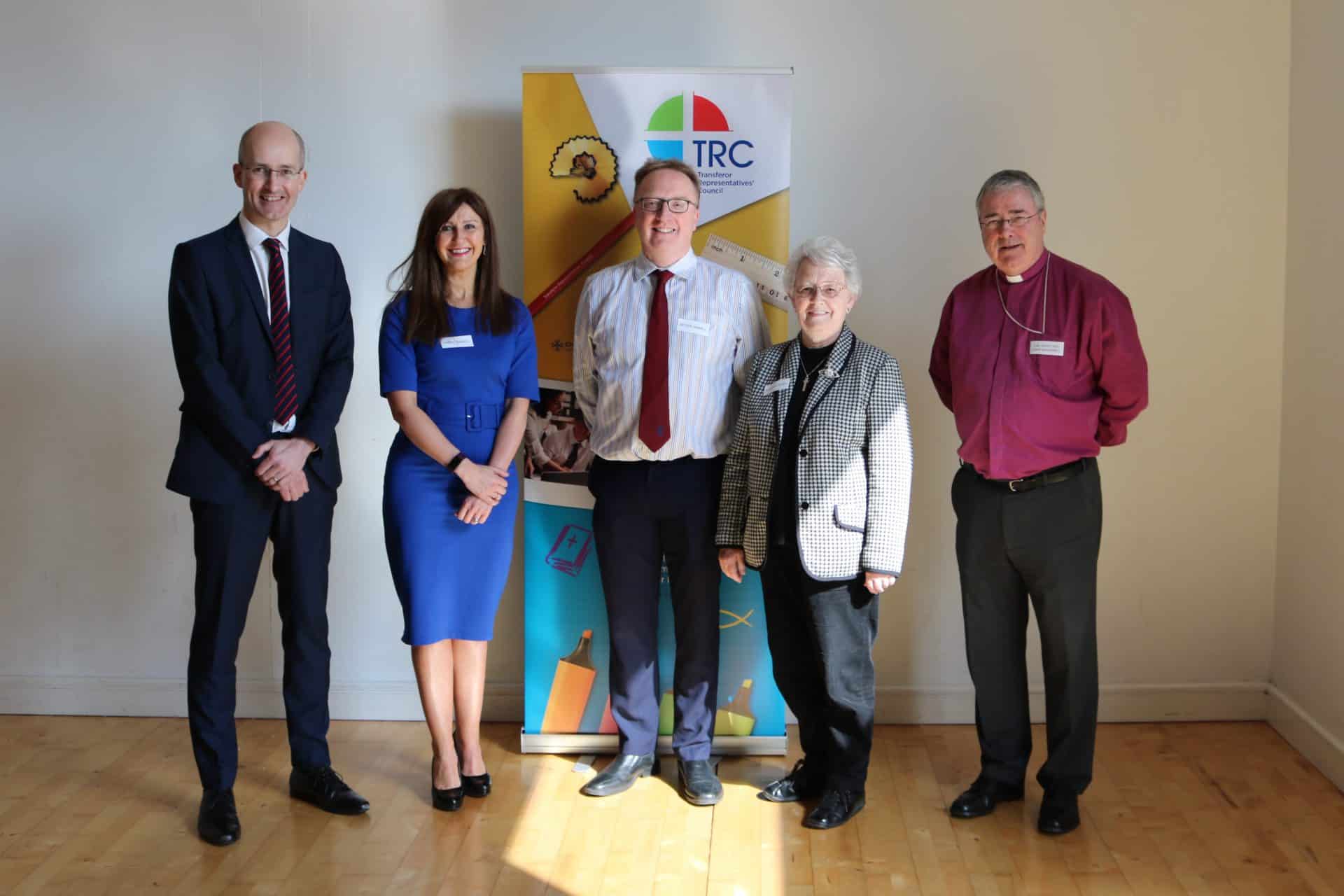
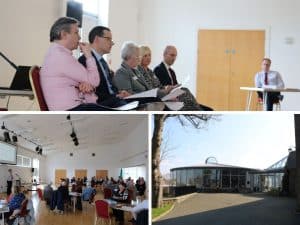
A lively discussion involving around 50 representatives from churches, schools and a range of other key organisations with a role in education took place in Portadown, on Friday (25th March) with a view to helping our children and young people to reach their full potential.
The workshop at Seagoe Parish Centre was hosted by the Transferor Representatives’ Council (TRC) – representing the Church of Ireland, Presbyterian Church and Methodist Church in relation to education in Northern Ireland – and focused on a new research report from Stranmillis University College, Beyond the Stereotype: Approaches to Educational Under(Achievement) in the Controlled Sector in Northern Ireland.
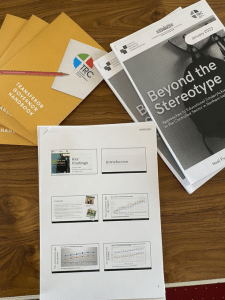 The study, which was commissioned and funded by the TRC, aims to go ‘beyond the stereotype’ of the well-documented challenge of underachievement among Protestant working-class boys from disadvantaged inner-city communities, and to ‘cast the net wider’ to provide a broader and more representative picture. Particular challenges in rural communities, which have not been reported extensively to date in previous studies, are identified with some school leaders speaking of the difficulty in motivating boys to work hard towards GCSEs.
Significantly, Beyond the Stereotype also finds that while pupils view educational achievement as largely related to success in external exams (such as GCSEs and A-levels), many school and community leaders (including employers) place greater value on a wider range of skills and abilities, and pupils’ mental and physical health, self-confidence, happiness and willingness to learn.
Dr Noel Purdy, who led the research through Stranmillis’ Centre for Research in Educational Underachievement, said: “We’ve certainly identified lots of challenges – there are big challenges facing controlled schools and indeed every school in Northern Ireland – but what we did see was a diverse, committed, community-orientated and innovative sector which is committed to maximising achievement for all children. In other words, allowing all the children in schools to stand tall and achieve to their full potential.”
The TRC represents its member churches in all matters of education in the region, and oversees the appointment of over 1,500 governors to controlled schools. The three churches transferred (hence the origin of transferors) their school buildings, pupils and staff into state control on the understanding that the Christian ethos of these schools would be maintained.
You can find out more about the TRC through its website at www.trc-churcheducation.org. More information on the work of the Centre for Research in Educational Underachievement (CREU) can be found at www.stran.ac.uk/research/creu

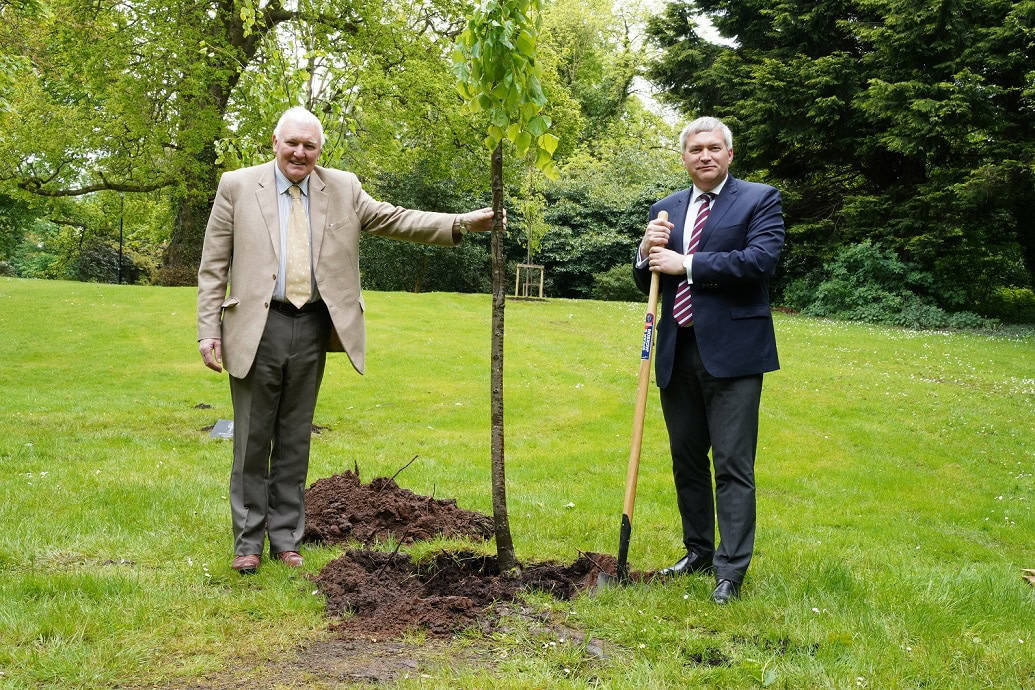
 The Queen’s Green Canopy project is a unique tree planting initiative created to mark Her Majesty’s Platinum Jubilee, with organisations across the country invited to ‘Plant a Tree for the Jubilee’. As part of the project, the College today planted five Lime trees.
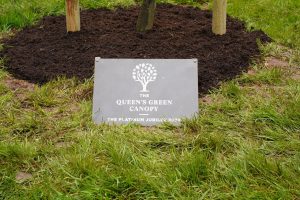 These magnificent trees will eventually reach a height of over 30m, and stand tall in the heart of the College’s stunning eco campus. Lime bark was traditionally used to make rope, and lime flowers are considered a valuable source of food for honey bees. Lime wood doesn’t warp and is still used today to make sounding boards and piano keys.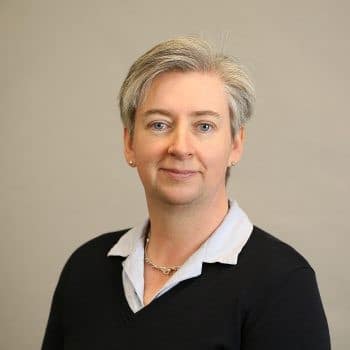
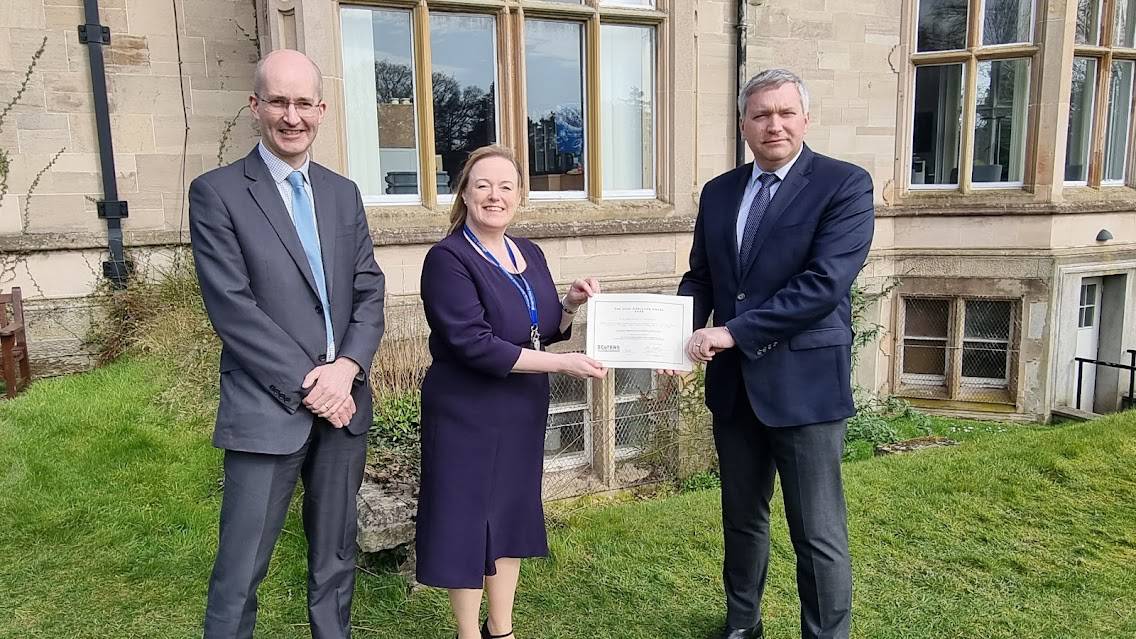
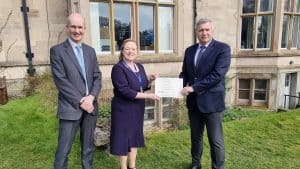
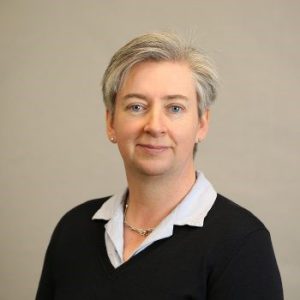 In recognition of her attainment against the UK Professional Standards Framework for teaching and learning support in higher education, and in a first for the College, our Director of Teaching and Learning, Dr Trisha Eaton has achieved the distinguished and internationally recognised status of Principal Fellowship of the Higher Education Academy (PFHEA) – a status that is awarded to just 1% of the 150 000 HEA Fellows globally
 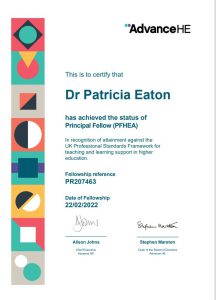 in recognition of attainment against the UK Professional Standards Framework for teaching and learning support in higher education .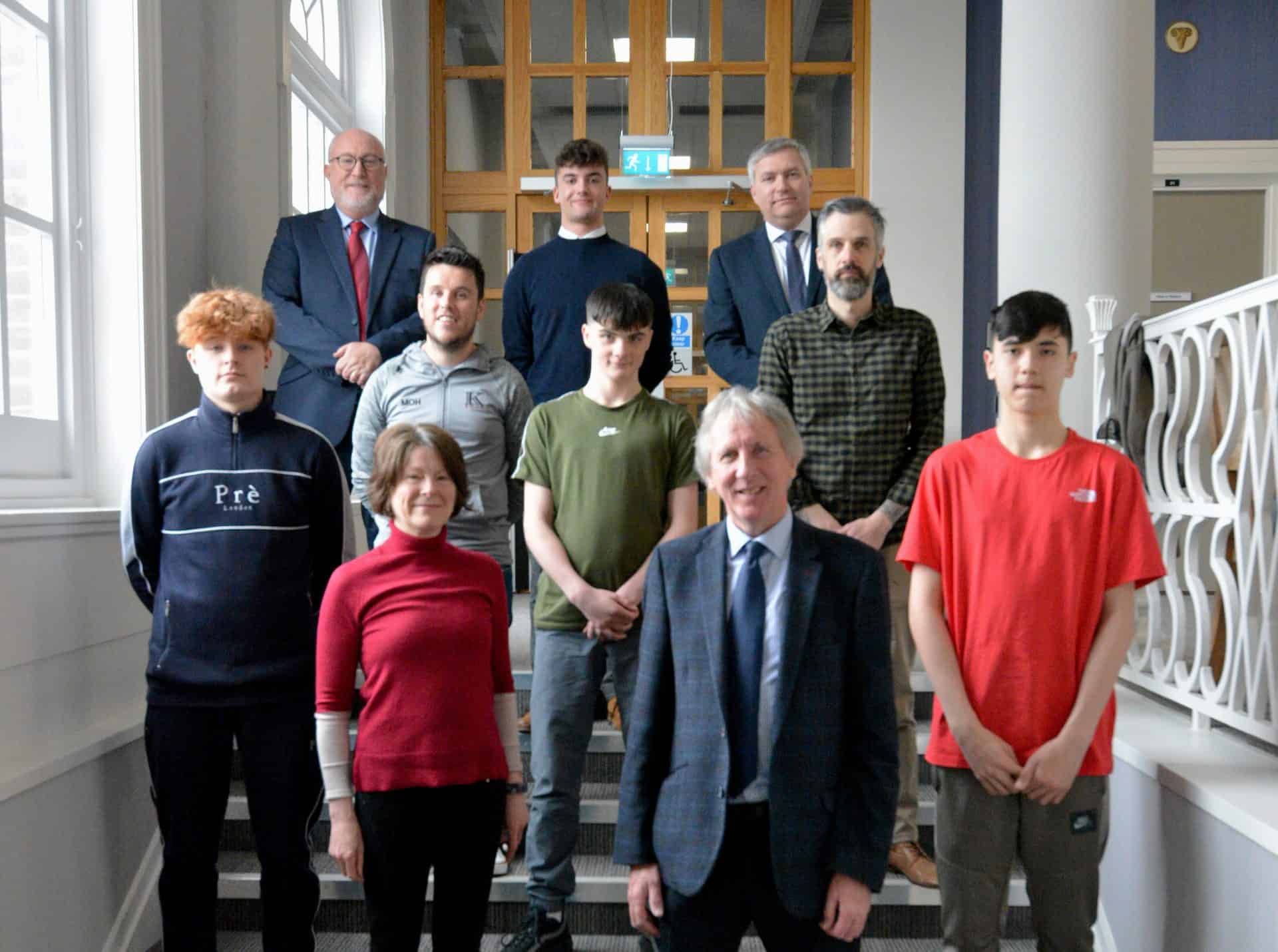
 Six students from