
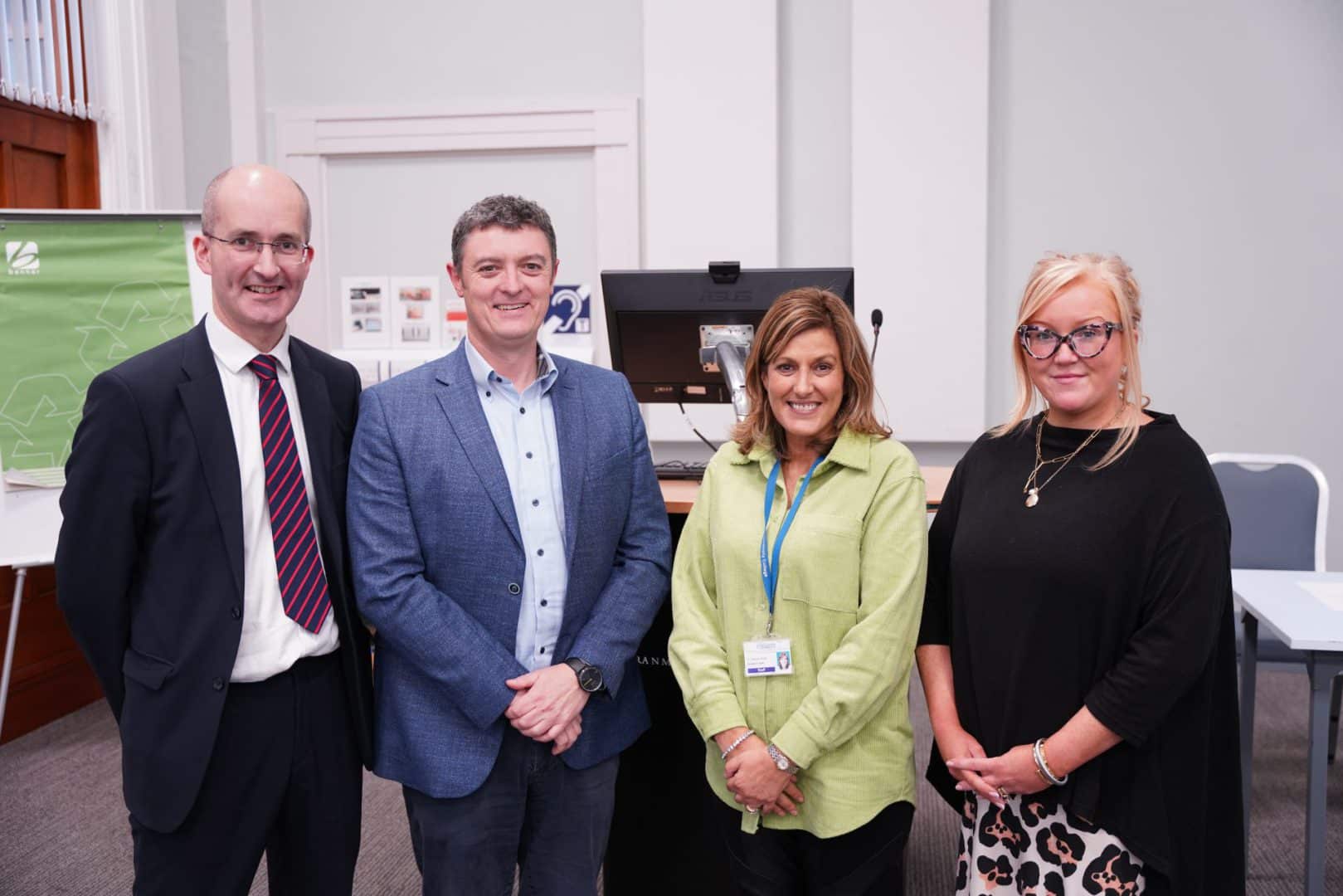
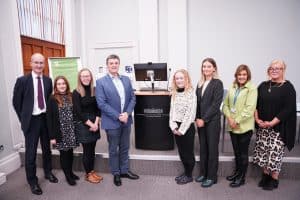
 For the first time since 2019, the Stranmillis Student Research Conference took place in person, and was attended by well over 100 B.Ed. and B.Sc. research methods students.
Dr Noel Purdy opened the Conference by welcoming Dr Rory McDaid, Director of Research, Marino Institute of Education, Dublin, as this year’s keynote speaker. Dr McDaid spoke of the growing recognition of the importance of students and educational practitioners as researchers and also highlighted some of his own and his institution’s recent research work.
 There followed four short presentations by some of last year’s top research students: Lucy Millar (B Ed Primary) began by presenting her study entitled “Ready to share our very selves: An investigation into the nature and prevalence of church partnerships with controlled primary schools in Northern Ireland.” This was followed by Ellen King (BA ECS) who spoke on the theme of “Parents’ and Practitioners’ Perspectives on the Benefits of and Barriers to Effective Outdoor Play”. The third presentation on the “experiences of relationships and sexuality education (RSE) in light of criticisms of its heteronormative delivery” was delivered by Jessica Orr (B Ed post-primary) before Patricia Philips’ final presentation on her PGCE research assignment entitled “An evaluation of the appropriateness of play as a learning medium for young children.”
The Conference concluded with a panel Q&A session chaired by Dr Glenda Walsh and Dr Karen Orr, with  questions submitted to all 5 presenters via Mentimeter from the audience. All agreed that it was a stimulating afternoon which showcased a wide variety of outstanding student research but also provided valuable support and guidance for current students about to undertake their own research for the first time.
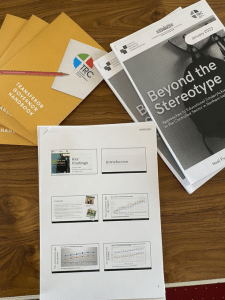 The study, which was commissioned and funded by the TRC, aims to go ‘beyond the stereotype’ of the well-documented challenge of underachievement among Protestant working-class boys from disadvantaged inner-city communities, and to ‘cast the net wider’ to provide a broader and more representative picture. Particular challenges in rural communities, which have not been reported extensively to date in previous studies, are identified with some school leaders speaking of the difficulty in motivating boys to work hard towards GCSEs.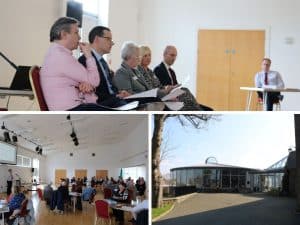
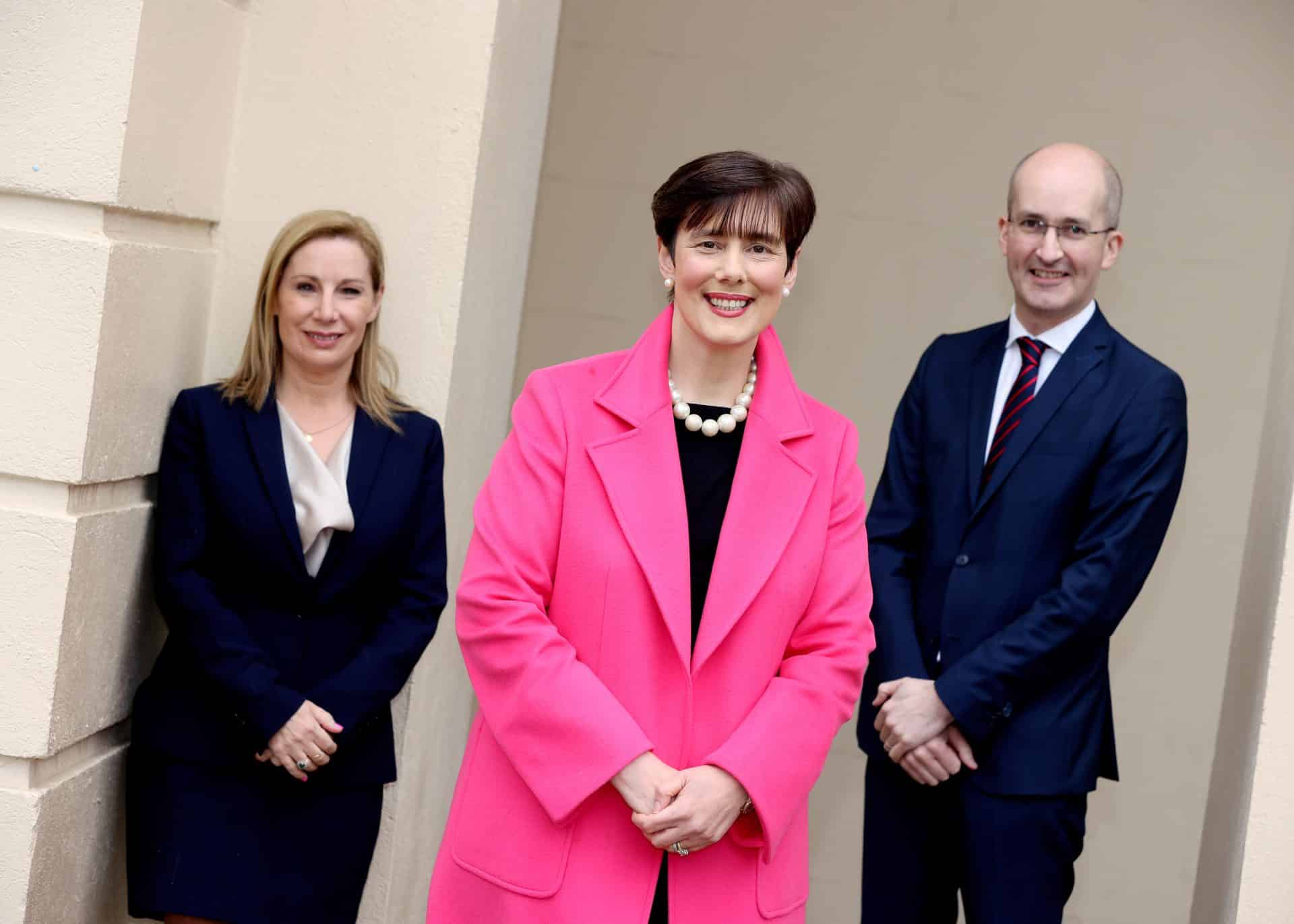
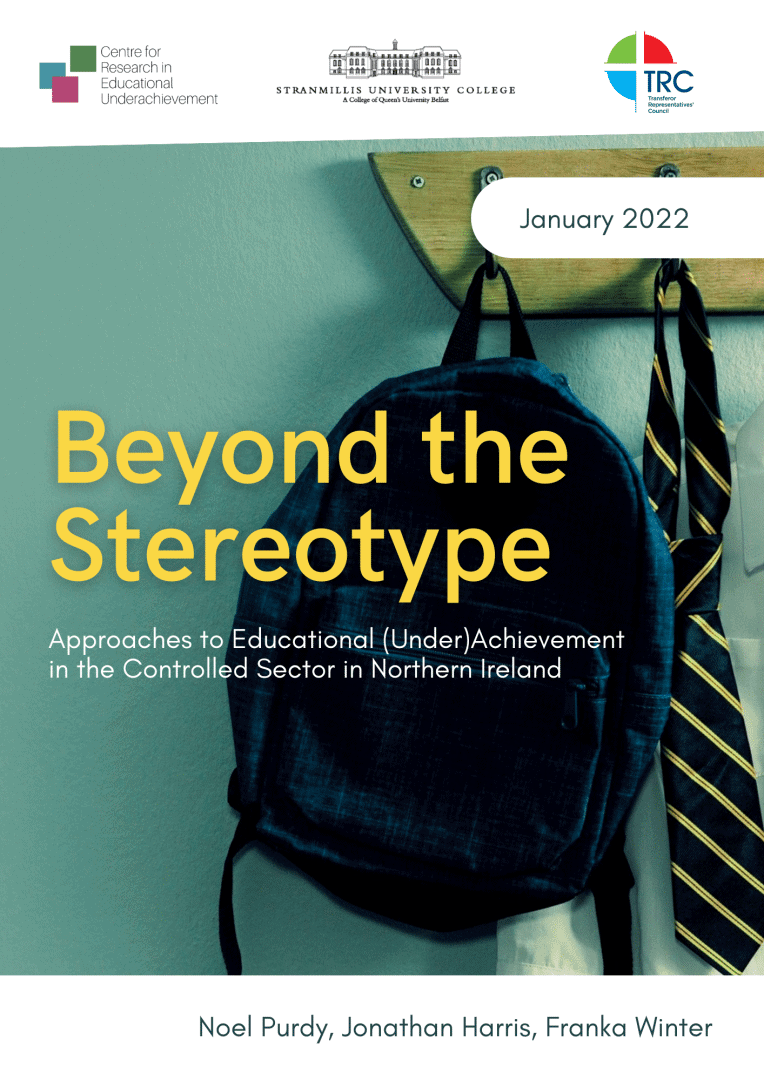
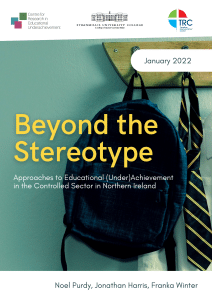 Beyond the Stereotype is based on group interviews with principals, teachers and pupils in eight primary and post-primary schools in suburban, town and rural areas, and also with school governors and other leaders in those communities. The study aims to go ‘beyond the stereotype’ of the well-documented challenge of underachievement among Protestant working class boys in inner-city areas, and to ‘cast the net wider’ to provide a broader and more representative picture. It raises important questions about the purpose of education and how we measure success.