Back to School: Curriculum Matters and Covid-19

Every year the prospect of returning to school seems to come upon us earlier and earlier. Even before the summer holidays, shops are filled with rows of shiny new shoes, rails of crisp shirts, schoolbags, and bundles of socks in dazzling shades of clean. This summer in Northern Ireland, as we take ‘baby steps’ towards emerging from lockdown, the prospect of a new school year brings excitement, but also uncertainty. Governors, Principals and teachers are trying to figure out how best to welcome back children and young people, and establish routines that foster health and well-being, both physical and mental. All the talk of the ‘new normal’ can be daunting, for no-one really knows what the experience of school in 2020-21 will be like. The situation presents logistical conundrums to challenge even the most gifted of organisational minds.

Time for Change

But there are other questions too. One that lies close to my own heart is curriculum. When we do get back to school, whatever that might look like, how should we guide the learning of our children and young people? And in this unexpected context, how might we begin to understand success and achievement? Reflecting in The Guardian on education before Covid-19 George Monbiot wrote: ‘In an age in which we urgently need to cooperate, we are educated for individual success in competition with others. Governments tell us that the purpose of education is to get ahead of other people or, collectively, of other nations… But nobody wins the human race’.

The 2007 Northern Ireland Curriculum is a skills-infused framework curriculum that aims to ‘empower young people to achieve their potential and to make informed and responsible decisions through their lives’. This is commendable, but the Northern Ireland Curriculum is 13 years old, and its design was for a Northern Ireland before Covid-19. The word ‘unprecedented’ can feel overused, but the fact remains that we haven’t known times quite like these before. As we look ahead into the new school year and beyond, and in light of the seismic impact of Covid-19, globally and locally, not least in the lives children and young people, a fresh focus on curriculum seems timely and wise. In this piece, I’d like to consider three areas of learning that merit particular attention in our time and place: outdoor learning; the arts and humanities; and character education.

Outdoor Education

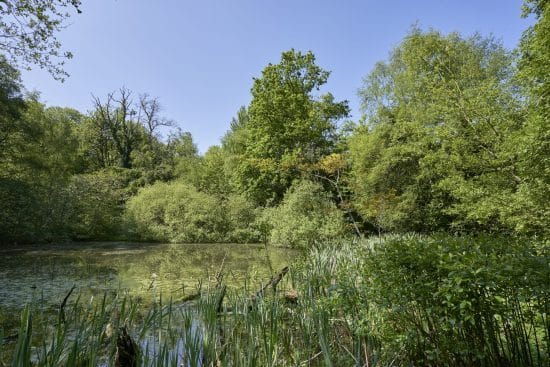
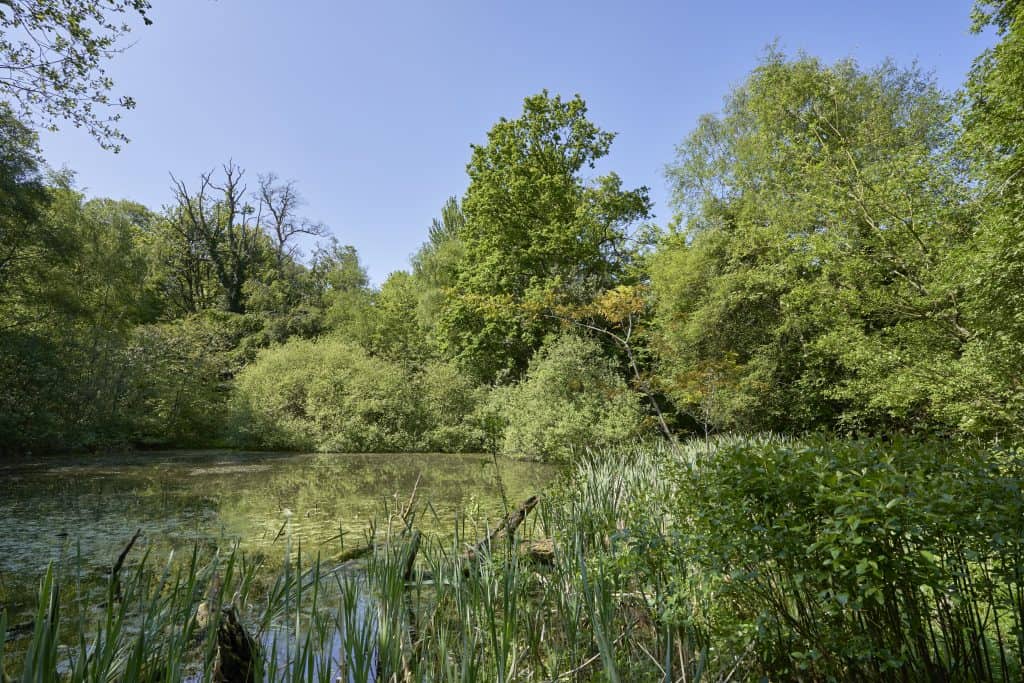
We are all aware that we can control infection more effectively outdoors. Furthermore in a recent article in The Guardian Libby Brooks highlighted the growing weight of evidence that suggests that outdoor learning is intrinsically beneficial. For example, learning outside offers great possibilities for building resilience. And if resilience is the ability to bounce back from adversity, this is surely worth developing as we move forward and prepare to live with Covid-19. During lockdown, many of us have been spending more time than usual outside, and as a result we have become more aware of the wonder and beauty of the environment, and the value, both mental and physical, of exercise. We should build on this momentum as we think about curriculum in the months and years ahead. A recent study in Scotland points to the rich learning opportunities of growing food in school gardens, even in urban areas.

Arts and Humanities

Some of the most inspiring a stories in the media during the Covid-19 crisis globally have centred around concern for the good of other people. Most memorably, in Italy, professional musicians sang and performed from their balconies. By sharing their skills in such a beautiful yet simple way, they brought joy to their neighbours and, thanks to technology, to us. Music, they said, can’t be quarantined.

Artists across the world have been facing enormous challenges during the current crisis. But in the middle of it all they have found very creative ways to offer hope. While excellence in science, mathematics and economics are inarguably essential as we seek to develop a vaccine for Covid-19, we should be mindful of the hopefulness and value of the arts and humanities. History, ancient and modern, has much to teach us in relation to our response to disease and pandemics. Moreover, in a fascinating piece, Nathan Fleschner writes of the kind of thinking that studying even the theory of music can foster. He argues convincingly that the arts and humanities can equip young people with the thinking skills needed in our current world, awash as it is with data and fake news.

Character Education

During lockdown, acts of kindness have multiplied in communities around the globe. Here in Northern Ireland, teachers have been at the forefront of magnificent efforts to support the children, young people and their families, and it has been heartening to see local colleagues honoured in this year’s National Association for Pastoral Care in Education awards.

We know that academic excellence is important, but in times of crisis we learn that compassion and kindness are of infinitely greater worth. We should explore initiatives that infuse curriculum with the development of virtues such as The Good Project and the Kindness Curriculum. There are more helpful resources online compiled by the Red Cross.  Another fine project is the Narnia Virtues: a Character Education English Curriculum that encourages the cultivation of good character through engagement with the Narnia Novels by Belfast’s very own C.S. Lewis. Seamus Heaney in his Five Fables, also placed value on the power of story in the development of moral imagination.

Of course great stories are told in many different languages and not just in English. The global resurgence in popularity of Albert Camus’s La Peste during the Covid-19 crisis is testament to this. The power of engaging the imaginations of children in the face of global challenges through story was considered at a recent French studies conference at Stranmillis University College. One of the delegates we welcomed to Belfast is Helen Patuck, who has since published an inspiring picture book to help children understand Covid-19, translated in several languages.

In a recent curriculum blog, I considered French philosopher Paul Ricœur for whom story was the gateway to understanding not only ourselves, but our relationship with the world and others. Ricœur argued that the story of each human being is precious. Children and young people across Northern Ireland and beyond will be returning to school with many different stories, and we should value each one of them.

Conclusion

In different ways, outdoor learning, the arts and humanities, and character education have the potential to generate hope. We must keep this in mind as we contemplate going back to school, as we review curriculum together, seeking to guide the learning of our children and young people, and prepare them to live well and achieve success in the future.

Sharon Jones is Senior Lecturer at Stranmillis University College and a CREU member. She sits on the Editorial Board of The Curriculum Journal.
Report: Home-Schooling in Northern Ireland during the COVID-19 Crisis

The past few months have been utterly remarkable. They have: forced parents/carers to assume a greater role than ever before in their child/ren’s education; tested schools and teachers to their limits in terms of adapting fast to providing (mostly online) resources for home learning; and thrown children into a new, confined online learning environment at home. All amid a broader context of fear and uncertainty caused by a global pandemic.

Despite the upheaval, it is vital that our children’s education and our families’ wellbeing is monitored and understood by policymakers, service providers, and the research community. It is likely that the shutdown is leading to widening educational inequality. The Centre for Research in Educational Underachievement ran an online survey on parents/carers’ experiences of home-schooling during the lockdown in early May 2020, which received over 2000 responses from across Northern Ireland. The survey asked how parents/carers were approaching home-schooling, how schools were supporting them, and what could be done to better support their households.

Click here to download the full report, and read below for a summary of the key findings.

1. Parental education and employment status make a big difference

The level of parental education and employment status appears to mediate a strong divergence in experience. Parents/carers educated to university level are over 4 times more likely to be working from home than parents/carers with no qualifications, who are much more likely to have been furloughed. Those with university-level education are the most likely to become directly involved in their children’s home-schooling through teaching them directly (26.7%) or actively supporting their children’s learning (52.6%). In contrast, parents/carers without a degree are more likely to report lower levels of confidence in managing home-education, and to report simply ‘monitoring’ their child’s learning.

2. Essential Workers are least able to devote time to home-schooling

This survey highlights the particular challenges faced by Essential Workers. They are least likely to engage directly in their child/ren’s home-schooling (e.g. least likely to teach or actively support their learning) and are most likely to encourage their child/ren to learn independently as a result of having to work shifts outside the home. Essential Workers are often working longer hours than before and are at greatest risk of becoming infected with the COVID-19 virus. While not universal among the group of Essential Workers, the strongest expressions of frustration and desperation came from within this group, struggling with physical exhaustion, fear of infection, an inability to spend as much time with their children to support their learning, and, in several cases, a resulting sense of guilt and anger.

3. Parents/Carers are calling for live teaching and pre-printed resources

Almost a quarter of respondents do not have a printer, and many expressed a desire for more printed packs of work to be provided and complained of the costs incurred in providing printer ink and paper. We also found that only half of children have their own device to access online resources for schoolwork.

When asked for a single recommendation to improve home-schooling, parents/carers’ most common call was more live interaction with teachers. This could be for as little as twenty minutes once a week, either to introduce new curricular topics, or (especially with younger children) to allow some peer or pastoral interaction to raise motivation levels. We acknowledge the valid concerns of teaching unions and school leaders around the safeguarding of children and teachers, and encourage creative thinking about how the benefits of teacher/pupil interaction may be achieved safely.

4. Lockdown is affecting each child differently

The study provides some insights into children’s experiences of the lockdown learning period. Older children tend to prefer learning at school (and miss school more) while younger children are more likely to prefer the home environment. Most parents/carers suggest that children’s social skills and behaviour haven’t changed since schools closed. The area where children are most likely to have benefited is in their emotional well-being, where around 1 in 5 claim that there has been an improvement. By contrast, 3 in 5 claim that their child/ren’s level of motivation to learn has become worse since home-schooling began. Overall, we observe a very broad range of experiences, from accounts of more relaxed children enjoying peaceful family time and playing outside or engaging in many different leisure activities within the home, to children who are missing their friends and their teachers, struggling to learn, and falling further behind their peers.

“It’s flipping hard work”

The purpose of this report is not to ascribe blame, to undermine professional reputations, or to expose individuals. We share a joint responsibility to improve the situation for everyone, especially those disadvantaged by this continued period of home-schooling.

To quote some respondents, it is clear that for many engaged in home-schooling, “it’s flipping hard work”. “The novelty has worn off”, and “Nobody chose this”. Let us hope that we can learn the lessons of the past eight weeks so that all children can learn more successfully, happily and equitably for the remainder of the lockdown period and beyond.


Links in Achievement and Deprivation

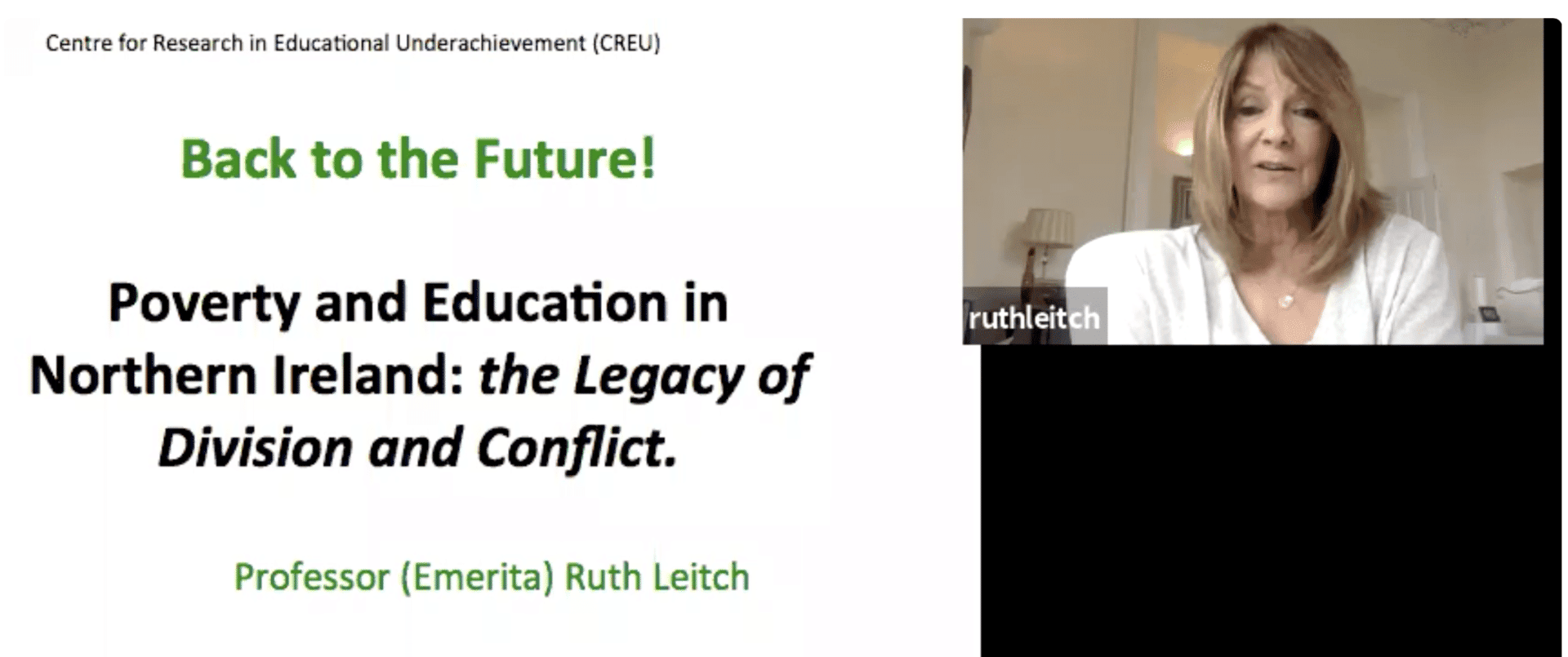
At the end of April, CREU hosted a webinar in its ‘Achieving Education’ series with Professor Ruth Leitch and over sixty participants. The seminar series, focused on the issue of educational disadvantage, is a forum for diverse stakeholders in Education in Northern Ireland to meet, hear about recent research from an expert in the field, and subsequently engage in structured debate with invited panellists. Professor Leitch has worked extensively in the area of Education Policy in Northern Ireland and beyond, focusing in recent years on issues of (in)equality in Education. She led an important study ‘Investigating Links in Achievement and Deprivation’ (ILiAD), the findings of which were highly significant for academic and policy communities alike. Access the webinar recording by clicking on the image below.

Newly released ILiAD reports

As well as giving this webinar, Professor Leitch also released first two volumes of the ILiAD report, to be hosted for public access on the Stranmillis University College website. The ILiAD study was undertaken by researchers at Queen’s University Belfast and Stranmillis University College, for the Office of the First Minister and Deputy First Minister (OFMDFM). It used a multi-disciplinary approach to investigate educational outcomes in some of Northern Ireland’s most deprived urban areas. Follow the links below for the newly released volumes:

ILiAD report volume I: An Unabridged Summary of the Research Findings

ILiAD report volume II: Detailed Accounts of the Seven Ward Case Study Areas

This important work will be a helpful reference for future research and policy in the area of educational disadvantage and underachievement, and includes detailed charts, graphs and maps.

Upcoming Webinar

The next ‘Achieving Education’ seminar will take place on Wednesday 17th June, when we invite Dr Feyisa Demie to share his research on ‘Closing the Educational Inequality Gap’. Follow this link to find out more, and to register.

Home-schooling in the COVID-19 crisis: survey launched

A team from Stranmillis University College’s Centre for Research in Educational Underachievement (CREU) ran a survey for parents/carers home-schooling children aged 3 to 18/19 within the context of the 2020 COVID-19 restrictions in Northern Ireland. There is now a second version: CLICK HERE FOR THE NEW SURVEY.

The team of Dr Glenda Walsh, Dr Noel Purdy, Dr Jonathan Harris and Dr Jill Dunn are keen to gather information from parents/carers about the everyday realities of home-schooling for children who would normally be in day care, playgroup, nursery, special, primary or post-primary settings.

They will use the data gathered to better inform the ongoing work of the Department of Education, the Education Authority, schools and voluntary sector organisations who are already working to support parents/carers in their home-schooling efforts.

Dr Noel Purdy, Director of CREU, explains, “This is an important and timely survey and we would encourage as many parents and carers as possible to take some well-deserved time out from home-schooling to complete the survey by noon on Friday 8th May.  And please tell your friends and share the survey so that we have as many responses as possible, allowing us to have as representative a picture of what home-schooling is really like across all age groups and abilities in Northern Ireland.”

Click here to find the new survey.

The Centre for Research in Educational Underachievement is based at Stranmillis University College, Belfast.  It is committed to researching issues around achievement affecting children, their parents/carers and teachers in Northern Ireland and beyond, and is guided by the principles of rigour, partnership and impact.  Read our recent blog post on homeschooling here.  See also ‘Playful Ideas for Active Minds’ – free resources, ideas and activities produced by our PGCE (Early Years) students to minimize the impact of school closure on young children’s educational development.


‘Left to their own devices’: the inequality of homeschooling

Last week’s Twitter sensation was middle class lockdown bingo, where thousands rated their performance against a list which included growing tomatoes, baking banana bread, meditating, sourdough starter, ordering from independent shops and 5pm gin.  One might conclude that for many, the current lockdown represents a welcome breather from the daily commute, the grind of office politics and the hectic pace of middle-class leisure pursuits.

But how highly would you score in a game of middle class homeschooling bingo, which might include doing the Joe Wicks daily workout, making your own playdough, a virtual tour of the musée d’Orsay, leading a mini-beast hunt in the garden, taking piano lessons on Zoom, and learning a new language?  Extra points perhaps if mum or dad can share their degree-level passion for specific topics: Irish poetry, calculus, glaciology, German history, astronomy…

Sounds wonderful, doesn’t it?  But, this middle-class homeschooling idyll belies the grubbier reality of class division and educational disadvantage.  Of course, this is nothing new to Northern Ireland.  There is a wealth of evidence that pupils in receipt of Free School Meals here are much less likely to attend selective grammar schools, and consequently much less likely to achieve 5 or more A*-C grades in their GCSEs than children from wealthier families.  There is little doubt that the current lockdown has the potential to increase this achievement divide even further.  While some might assume that all parents are relishing this opportunity to support their children’s learning through high-quality interactions at home, there is already some evidence from the Republic of Ireland that there are two other groups of parents whose voices are less frequently heard on social media: those who are trying their best but feeling overwhelmed and stressed by their new role as home educators, and those who can provide little or no support through a lack of ability, confidence, patience, time or health.

Access to Online Learning

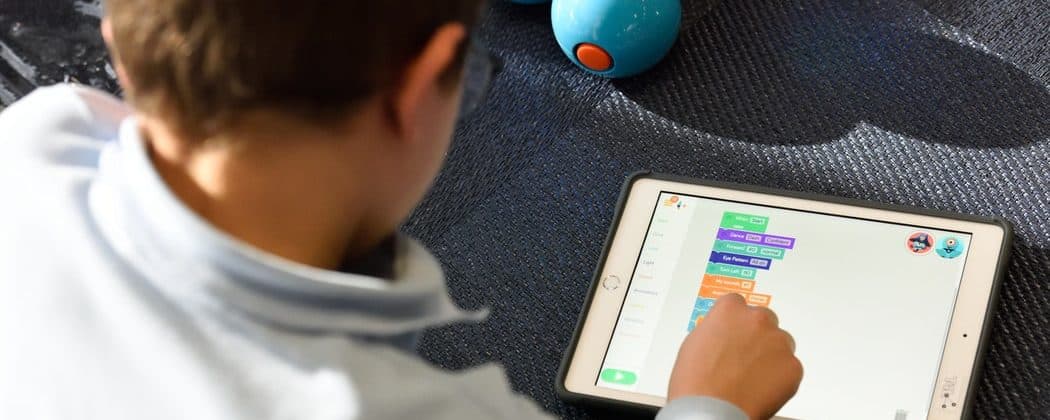
Homeschooling during the lockdown also exposes the digital divide, not just between generations, but between rich and poor.  A recent Ofcom survey revealed that tablets followed by smartphones are the most popular devices used by children aged 5-15 to go online, but online access is mediated by family background.  Children in working class homes are less likely than those in middle class homes to access the internet via either a tablet (59% vs. 72%) or a mobile phone (49% vs. 62%).  There is also a world of difference between working on a large screen PC or laptop in a quiet bedroom or home study, and sharing access to Google Classroom with other siblings on a single mobile phone or tablet in a small living room or kitchen with the television on in the background.  Furthermore, children who have special educational needs or English as an Additional Language are likely to fall further behind through the lack of additional assistance during the lockdown.  Public libraries, which would usually offer free internet access to all, are also shut.

So, while there has been a social media focus on the educational silver lining for parents from the current pandemic (the rapid rise of online learning, and the potential for this to strengthen parent/teacher/child communication), let’s not forget that the reality is a much more prosaic hodgepodge of educational opportunity, where those who are already most educationally disadvantaged are likely to fall even further behind their peers through no fault of their own.

Four Priority Areas

There are few simple solutions, but I would suggest four priority areas where improvement could be made, during the remainder of the lockdown. First, many parents need basic, practical guidance on how to support their children’s learning during this enforced homeschooling, since the vast majority of parents are not trained teachers and had not signed up to this new role.  This is not to seek to load more work on already busy teachers, but perhaps there is scope for fewer lessons and some brief supporting notes for parents, which could be made available online and posted home for those families with less access to online resources.  Second, there is an urgent need for CPD for teachers who are also learning how best to embrace the full potential of online learning, maximizing opportunities for pupils to participate in engaging, multi-media, interactive lessons, and to be able to submit work and receive formative feedback.  At Stranmillis, we have already made available a free online course which has proven extremely popular.  Third, it has been reported that the educational authorities in New York have begun to distribute iPads with free data plans to low-income families unable to access online lessons. Could the Department of Education here consider making some funds available for the same purpose?  And, fourth, there is an urgent need for research in Northern Ireland to tell us exactly how different parents are coping with homeschooling, to allow schools and government to target resources more equitably.

In due course, when schools do eventually re-open, educators will need to plan carefully for the resumption of classroom teaching, acknowledging that there will be an educational gulf, wider than ever before, between the educationally advantaged and disadvantaged.  For some children, the lockdown will have had no negative impact, and for some possibly even a positive impact, the consequence of weeks of committed parental tutorial support; others, however, will have stalled or regressed in their learning; some will take time to re-adjust to the routine and discipline of the formal school environment; and some, sadly, will also be dealing with the emotional and practical consequences of family illness or bereavement as a result of the pandemic.  All of this will have both curricular but also pastoral implications for teachers, who themselves are under enormous pressure during the lockdown.  In terms of assessment, too, educators will need to consider how weeks of lockdown will impact on future test grades, making use perhaps of special circumstances.  As ever, the middle classes will be able to rely on existing familial support structures supplemented by private tutoring.  For those on lower incomes, tutoring has never been an affordable option, but there are more and more free resources available online, and there could be opportunities here for our talented student teachers to do some volunteer tutoring offering their services to pupils who have fallen behind, either through face-to-face teaching or through use of a video-conferencing service.

The Northern Ireland Curriculum, last revised in 2007, states that it aims to “empower young people to achieve their potential and to make informed and responsible decisions through their lives.” Unless action is taken in the days to come, the current lockdown and the differentiated experiences of homeschooling have the potential to further disempower and disenfranchise, thus exacerbating the social injustice of an already deeply divided education system.

About the Author

Dr Noel Purdy is Director of the Centre for Research in Educational Underachievement at Stranmillis University College, Belfast.

Accessing SEN support in mainstream schools – new research report reveals significant challenges for parents/carers and children

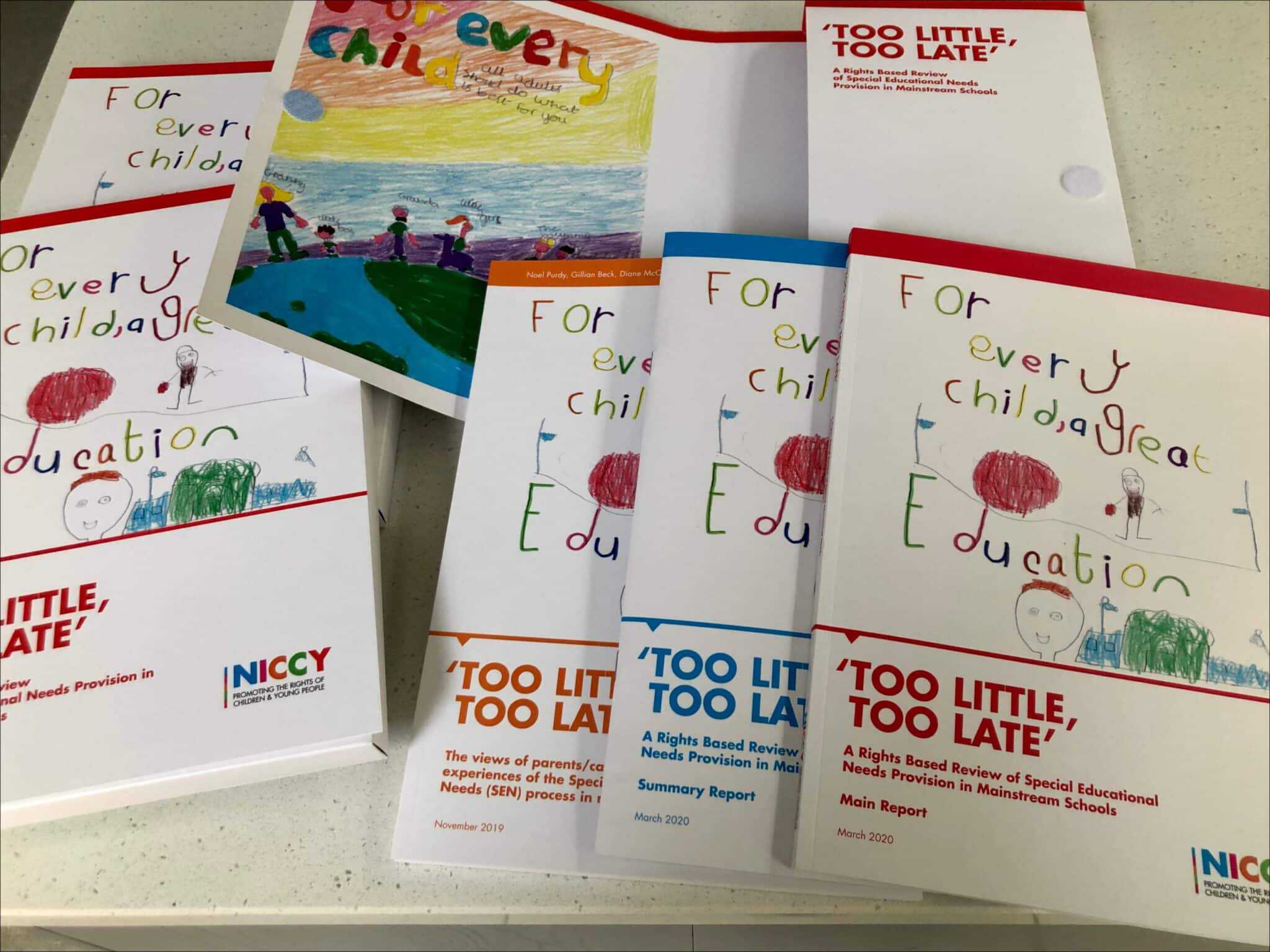
This week, the Northern Ireland Commissioner for Children and Young People (NICCY) published a suite of reports exploring issues preventing children and young people from fully realising their rights to an effective education in the context of SEN provision in mainstream schools.

As part of this comprehensive review, a team at Stranmillis University College led by Director of Research and Scholarship, Dr Noel Purdy, conducted an extensive survey into the views of parents and carers about their experiences of accessing or attempting to access services and support for SEN for them and their children.

Some of the findings published today are that:

  • Only 1 in 8 respondents felt that there were adequate facilities and services in place to meet the needs of all children and young people with SEN
  • Only 1 in 6 respondents felt that all children with SEN have equal access to services without discrimination of any kind.
  • Less than 1 in 5 believed that the SEN process is child-centred, while a similar proportion felt that the education environment is adaptable in order to meet the needs of children with SEN.
  • Only 1 in 7 felt that children and young people with SEN receive a quality service which meets their needs, and the same proportion of parents felt that the views of children with SEN are sought and taken into account in their education and development of policy and services.
  • Only 1 in 10 agreed that there is timely and appropriate cooperation and integration of services to ensure a holistic approach is taken to meet the needs of children with SEN

The comprehensive report includes a review of the policy context, the methodology for this element of the wider NICCY review, detailed analysis of the online survey responses completed by 608 parents and carers, thematic analysis of the 10 focus group interviews conducted in each of the EA regions including the digital summary representation of a post-it note exercise, and excerpts from 6 further in-depth individual interviews with a range of parents and carers.

The full report conducted by Stranmillis University College and the Centre for Research in Educational Underachievement, entitled Too Little, Too Late: The views of parents/carers on their child’s experiences of the Special Educational Needs (SEN) process in mainstream schools, can be downloaded now along with the full suite of ‘Too Little, Too Late’ reports, from NICCY’s website here: www.niccy.org/senreviewreports